




-797x448h.webp "How to Mix Vintage and Modern Rugs in Your Home")
Combining different interior eras often feels intimidating. Mixing antique patterns with sleek modern floor coverings seems tricky, yet it creates a layered, personalized space. Combining old-world charm with current aesthetics brings character to any living room, bedroom, or dining area.
Here is a practical guide to pairing diverse rug styles naturally without cluttering your home.
Why Blend Different Floor Styles?
Floor decor sets the foundation for your entire room. Choosing a single style can sometimes make a space feel flat or overly curated.
Mixing traditional textures with contemporary designs offers key advantages:
- Adds Visual Depth: Layering contrasting textures breaks up monotonous floor spaces.
- Balances Architecture: Aged textiles soften modern lines, while contemporary choices refresh classic rooms.
- Maximizes Versatility: You can showcase unique heirloom pieces alongside clean, updated decor.
When you curate floor coverings from Rugs Town, you get access to thousands of versatile choices that make this blending process smooth and rewarding.
Core Rules for Pairing Classic and Contemporary Decor
1. Find a Common Color Thread
Color ties disparate patterns together. Choose one unifying shade that appears in both your traditional piece and your contemporary choice.
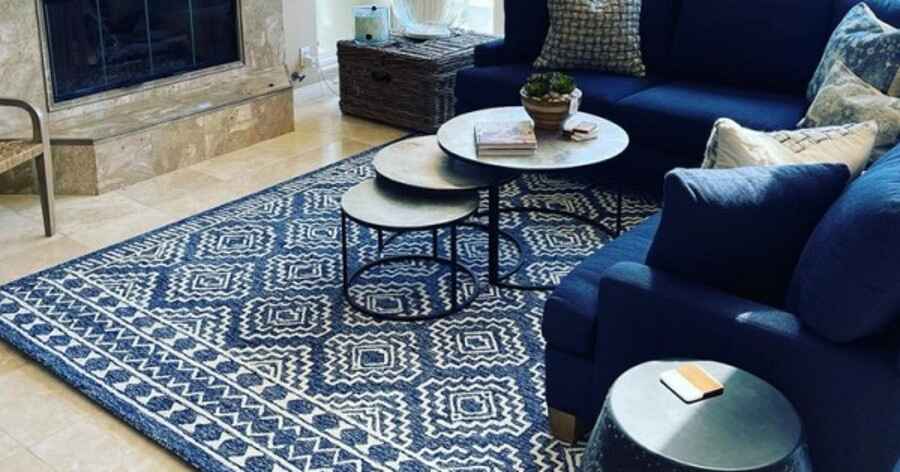
If your traditional floor covering features soft terracotta, deep navy, and cream, pick a contemporary accent piece that uses that same navy or cream. The shared shade tricks the eye into seeing harmony rather than conflict.
2. Balance Complex Patterns with Simple Shapes
Never pair two busy, complex patterns directly next to each other. They will fight for attention.
- Pair a detailed medallion design with a low-contrast graphic line rug.
- Place a intricate oriental runner near a solid, textured wool carpet.
- Use neutral base textures to anchor rooms with vibrant antique pieces.
3. Play with Texture and Pile Height
Texture contrast adds tactile warmth. A distressed, low-pile traditional piece looks striking next to a plush, high-pile shag rug.
Varying the height and weave creates distinct visual zones, which works exceptionally well in open-concept living areas.
Room-by-Room Layout Ideas
| Room Type | Primary Floor Covering | Secondary Accent Choice |
|---|---|---|
| Living Room | Large neutral contemporary rug | Smaller antique piece layered top |
| Dining Space | Low-pile flatweave traditional | Modern geometric runner nearby |
| Bed & Bath | Plush solid contemporary runner | Distressed traditional bedside rug |
The Layered Living Room
Layering is an easy technique for open spaces. Start with a large, affordable natural fiber piece as your base layer.
Place a smaller, highly detailed antique style rug angled or centered directly on top. This setup anchors your seating arrangement while protecting delicate older fibers.
The Dynamic Hallway and Entryway
Long hallways offer an ideal canvas for mixing styles. Place a classic runner at your main front door to handle incoming foot traffic with grace. Further down the corridor, transition to a modern geometric design that matches your wall art.
Browse the expansive inventory at Rugs Town to discover coordinating sizes and shapes tailored for tricky hallways.
Practical Styling Tips for Instant Balance
- Keep Furniture Neutral: When blending bold floor patterns, stick with solid fabric choices for major sofas and chairs.
- Use Wood Tones as Anchors: Warm hardwood floors act as a natural bridge between vintage weaves and sleek geometric wool pieces.
- Mind the Spacing: Leave at least 8 to 12 inches of bare floor between adjacent rugs so each design can breathe.
- Stick to Quality Construction: Durable materials ensure both classic and modern textiles age gracefully together.
Shopping online at Rugs Town allows you to easily filter by material, color palette, and construction style, helping you find matching pieces in minutes.
Conclusion: Creating Your Balanced Home
Blending traditional floor decor with current designs gives your home a custom, timeless look. By focusing on shared color palettes, balancing pattern scales, and experimenting with varied textures, you build a cohesive space that reflects your personal taste. Take time to test different layouts, layer soft textiles, and let each unique piece stand out.
