


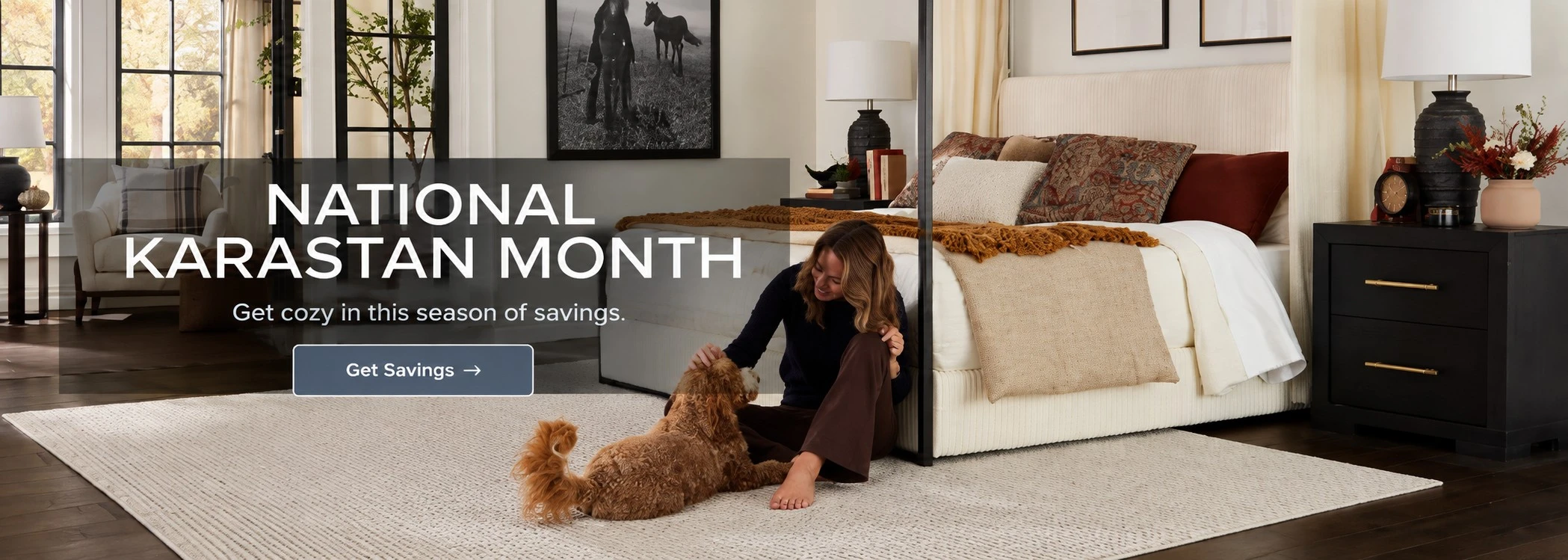


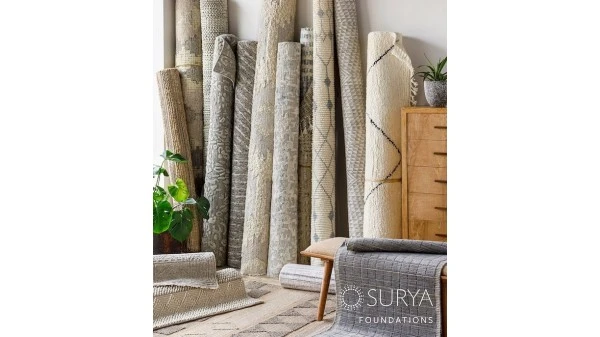
Few items in a home have the decorative ability to simply pull a space together as a rug. A rug can add an unparalleled depth of appeal and mystery to any place, whether it's the inspiration for the design or the finishing touch. Textures are sometimes disregarded when determining the correct sizes, colors, and styles, yet this element holds the secret to creating a contemporary, liveable room. Take a look below and keep the following in mind as you decide on the best varieties of rug material for carpets for your home.
Materials Used in Rugs:
A seemingly limitless array of adjectives encompasses a rug's aesthetic categorization. However, quite often, the material from which a piece is constructed is what influences its aesthetic. The materials most commonly utilized in the production of area rugs are as follows.
Fibers from nature
- Wool:
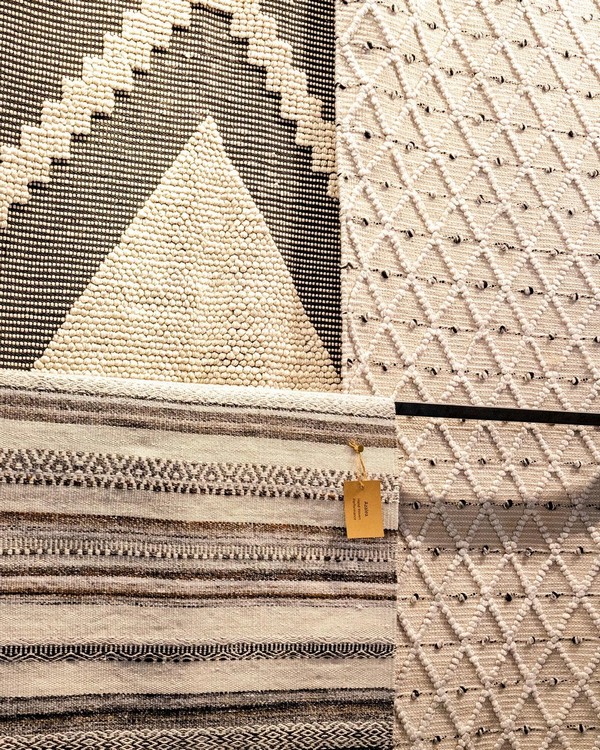
When soft wool strands are crushed, they spring back, making these carpets extremely durable and comfy. They're also stain, dust, and fire-resistant, but they don't stand up to humidity and can be costly.
- Cotton:
Cotton is a more affordable option than wool. These typically flat woven carpets are both sturdy and soft, and they may even be washed. Cotton carpets having a fuzzier texture are referred to as chenille rugs.
- Silk:
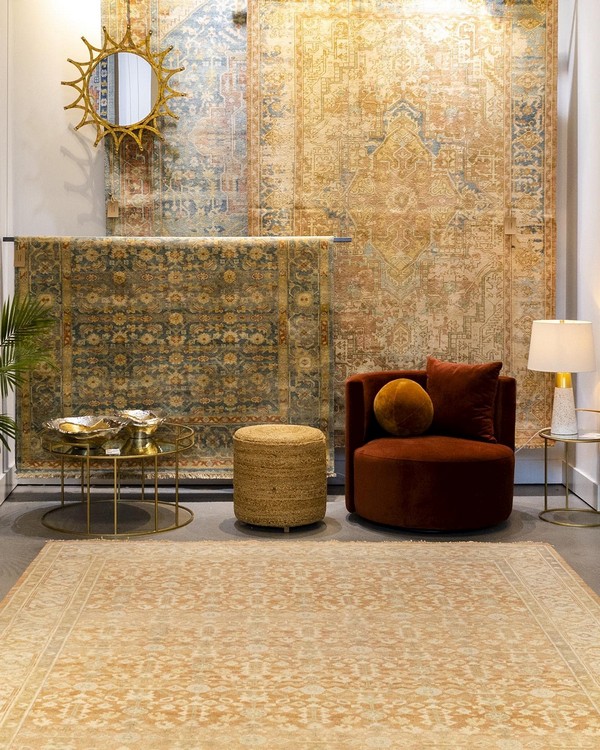
Silk carpets, while pricey, are wonderfully soft and may be intricately designed. They must, nevertheless, be thoroughly cleaned and can wear down quickly, so we recommend installing them in low-traffic places.
- Sisal & Jute:
These sturdy and cheap textured natural fiber carpets have a textured pattern. Sisal is coarse, yet it is more resilient and simpler to clean than jute. Both fabrics are frequently colored in earth tones and must be cleaned carefully.
- Seagrass & Bamboo Slat:
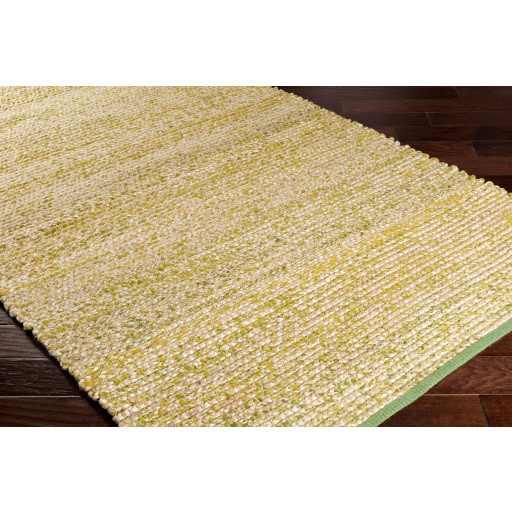
These carpets are all-natural and eco-friendly, as well as incredibly durable and water- and stain-resistant. Because of its stiff structure and inability to dye effectively, color possibilities are restricted.
Synthetics:
- Polypropylene:
Polypropylene rugs are constructed of synthetic material and are vibrant, soft, and inexpensive. They're stain-resistant, easy to clean, and can handle both indoor and outdoor use.
- Polyester:

These carpets have the same advantages and disadvantages as polypropylene/olefin rugs, except for being slightly less durable. Polyester is commonly used to make microfiber carpets, which are lightweight, resilient, and soft.
- Nylon:
Along with its flexibility and low cost, nylon is one of the most popular rug materials. It is comparable to polyester, however, it is less durable and is not always machine washable.
- Fur Faux:
Thick, velvety imitation fur rugs composed of acrylic fibers and suede are an excellent, economical option for adorning your house with actual animal hide. Even though they are readily filthy, many can be machine-washed easily.
It is also important to keep in mind that the rug's back might be a touch scratchy at times. To minimize scratches, use area rugs for flooring with a rug pad. Safety is one of the most crucial purposes of a rug pad. The rug pad improves the carpet's hold and prevents it from shifting or slipping.
Now that you've learned about the many types and benefits of area rug materials. Make certain that you are thoroughly select and settle on the greatest one for your needs. Rugs Town can readily provide you with additional information while also offering you the finest rugs on the market
